
Indy Vascular
Geniculate Artery Embolization
Non-surgical treatment for chronic knee pain
What Is Genicular Artery Embolization (GAE)?
Genicular Artery Embolization is a minimally invasive treatment designed to relieve knee pain caused by osteoarthritis. It is a non-surgical procedure performed on an outpatient basis by an interventional radiologist who uses imaging guidance, including fluoroscopy (real-time X-ray), to target the source of pain.
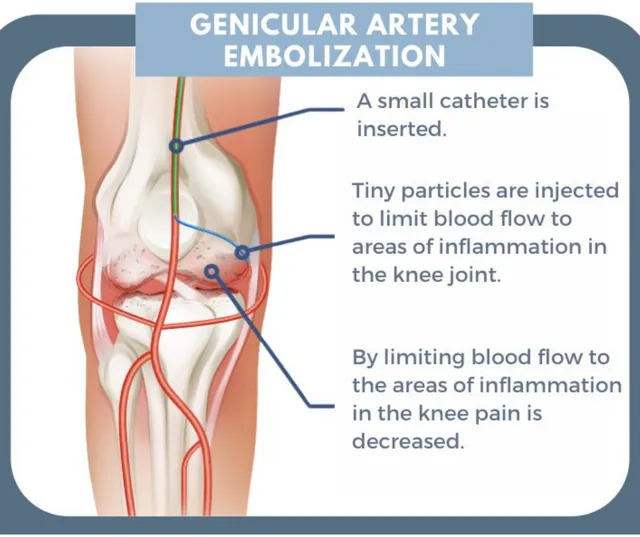
The genicular arteries are small blood vessels that supply the tissues around the knee. In patients with chronic osteoarthritis, these vessels can become enlarged and inflamed, contributing to ongoing pain.
GAE works by reducing inflammation in these vessels. While it does not cure osteoarthritis, the goal is to decrease knee pain, lower dependence on opioid medications and pain injections, improve mobility, and enhance overall quality of life.
Osteoarthritis and Knee Pain
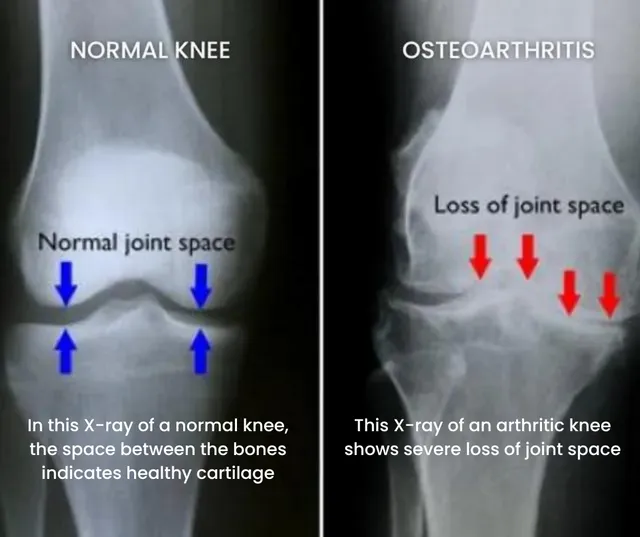
Osteoarthritis is the most common type of arthritis. It develops when the cartilage that cushions a joint gradually wears down due to aging, repetitive use, or injury. It most often affects the knees, hips, hands, and spine. The condition is not reversible and typically leads to chronic joint inflammation and discomfort.
More than 30 million people in the United States are affected by osteoarthritis, sometimes referred to as degenerative joint disease. Risk factors include joint overuse, prior injury, increasing age, obesity, female gender, and genetic predisposition. Although it cannot be cured, various treatments are available to help manage symptoms and improve joint function.
How the GAE Procedure Is Performed
GAE is typically done under local anesthesia with moderate sedation and usually takes about one to two hours. After the procedure, patients are monitored for a few hours and are generally able to return home the same day.
Using ultrasound guidance, the physician inserts a very thin catheter (about the size of a strand of spaghetti) into an artery in the groin. With real-time X-ray imaging, the catheter is carefully guided to the specific genicular arteries responsible for inflammation.
Once in position, microscopic particles are injected into the targeted vessels. These particles reduce excess blood flow to the inflamed areas, which helps decrease inflammation and, in turn, relieves pain.
Are You a Candidate for GAE?
You may be a good candidate for Genicular Artery Embolization if you have:
- A diagnosis of knee osteoarthritis (OA)
- Degenerative joint disease (DJD)
- Ongoing knee pain in one or both knees, whether at rest or while walking
- Morning stiffness or difficulty moving your knees after waking up
- Limited relief from prior treatments such as corticosteroid injections or physical therapy
If you’d like to learn more about Genicular Artery Embolization or schedule a consultation with Dr. Ramon Halum, contact the office by phone or request an appointment online.