
HAE
Hemorrhoid Artery Embolization
For Grade 1–3 Internal Hemorrhoids

Meet Our Doctor
Dr. Ramon Halum
Dr. Ramon Halum is a board-certified Vascular and Interventional Radiologist with over 22 years of expertise in vascular interventions and chronic pain management. As the founder of Indy Vascular, he focuses on delivering exceptional care through innovative, minimally invasive procedures.
It Is Estimated That About 75% Of Adults Will Experience Hemorrhoids At Some Point In Their Lives.
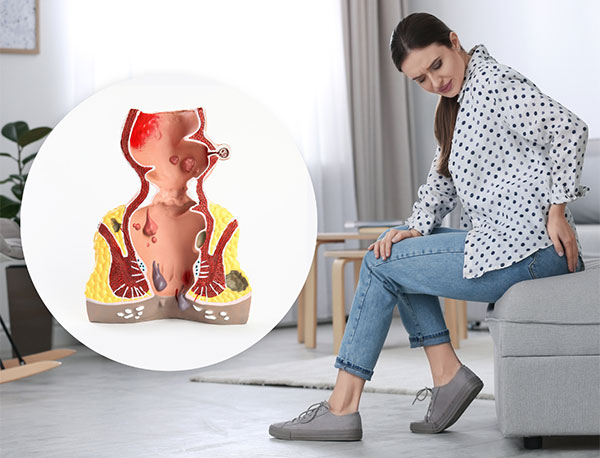
Non-Surgical Relief for Internal Hemorrhoids
Hemorrhoid Artery Embolization (HAE) is a minimally invasive procedure that targets the underlying cause of internal hemorrhoids. By reducing the blood flow to the affected arteries, it helps decrease swelling and bleeding associated with Grade 1 to Grade 3 internal hemorrhoids—without the need for traditional surgery.
Benefits vs. Traditional Surgery
| Feature | Hemorrhoid Embolization (HAE) | Traditional Hemorrhoidectomy |
|---|---|---|
| Invasiveness | Minimally invasive; no rectal incisions | Surgical excision of tissue |
| Pain Level | Minimal to no post-procedural pain | Significant and often long recovery pain |
| Recovery | 1–2 days | 2–6 weeks |
| Risk | Low risk of infection or incontinence | Risk of infection, bleeding, or incontinence |
FREQUENTLY ASKED QUESTIONS (FAQs)
What are Hemorrhoids?
Hemorrhoids are swollen blood vessels located in the rectum or anus. They can cause discomfort, itching, and pain.
What causes Hemorrhids?
Hemorrhoids are common and occur in approx. 50% of people during their life with a peak incidence at the age of 45 – 65 years.
They can be caused through an increase in pressure in the lower rectum by the following reasons: straining, sitting for long periods, spinal cord injury, chronic constipation or diarrhea, anal intercourse, family history of hemorrhoids, excessive exercise.
How can I prevent to have Hemorrhoids?
Eating high fiber food, drinking enough fluid and exercise help preventing the occurrence of hemorrhoids. Avoid straining when sitting on the toilet, and in general, long periods of sitting.
What are the symptoms of Hemorrhoids?
Consult a healthcare professional for accurate hemorrhoid diagnosis; Common symptoms include: Bleeding, Swelling, Discomfort, Ltching
When is the embolization treatment the best option for me?
The embolization treatment is the best option for you if you suffer from internal hemorrhoids of grade 2 or 3 and treatment with hygiene and dietary measures, medication or non-surgical minimally invasive methods was not successful. Also, if you did not benefit from a surgical treatment, this technique can be the right option for you.
Prior to treatment a CT Angiography will be performed to identify if this procedure is suitable for your vascular anatomy.
Who is not a good candidate for the Hemorrhoid embolization procedure?
You should not undergo this treatment in case you have a grade 4 internal hemorrhoid, acute hemorrhoidal complications, a history of colorectal surgery or chronic anal fissures. Allergy to the contrast medium is also a reason to not undergo this procedure.
Types of Hemorrhoids
Hemorrhoids are normal cushions of fibrovascular tissue located in the anal canal. They help maintain continence by contributing to the natural seal of the anus.
Problems occur when these tissues become irritated and swollen, often due to chronic straining, constipation, or prolonged pressure. When the vascular structures inside or around the anal canal become enlarged or inflamed, this condition is referred to as hemorrhoidal disease.
Hemorrhoidal disease is the most common anorectal condition, affecting an estimated 5% to 40% of the population.
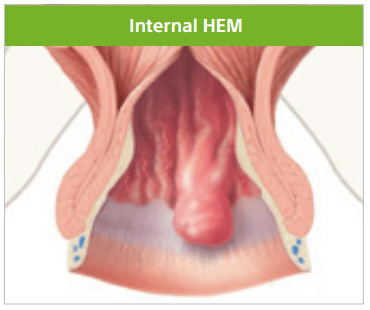
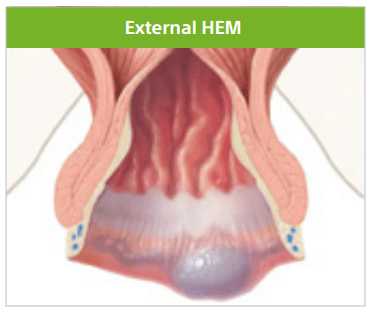
Hemorrhoids can be located internal at the upper part of the anal canal in the rectum or external under the skin around the anus.
Internal Hemorrhoids are more frequent than external Hemorrhoids and can enlarge and slip out (prolapse) through the anal opening. They are graded by their size and severity from grade one to four.
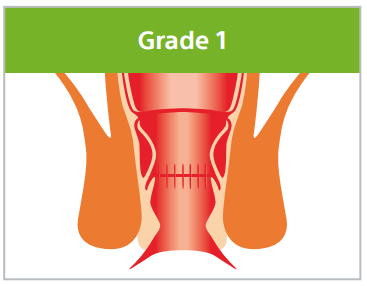
Small swellings on the inside lining of the anal canal, no prolapse is present.
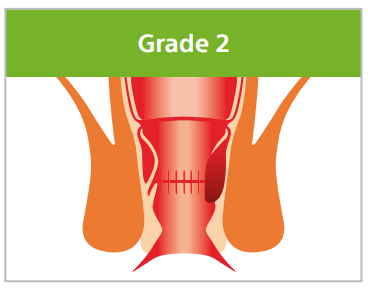
Larger swellings that may prolapse when pushing but go back (reduce) spontaneously.
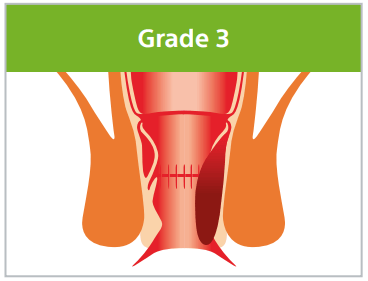
Prolapse outside the anus and must be pushed back (reduced) manually
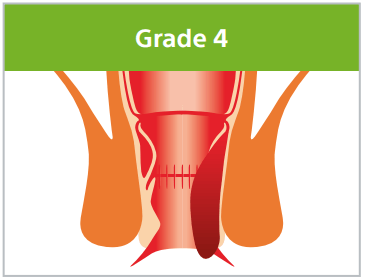
Permanently hang outside the anus and cannot be reduced manually, cause pain and bleeding.
Superior Rectal Artery Embolization: Procedure Overview
Superior rectal artery embolization is a minimally invasive alternative to surgery. It is performed by an interventional radiologist and is typically recommended for patients with Grade II or Grade III internal hemorrhoids. The procedure is carried out under local anesthesia.
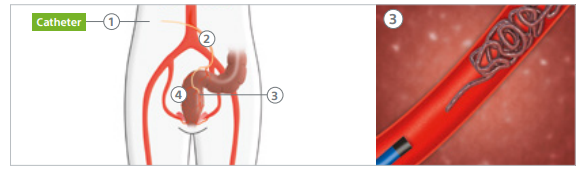
Internal hemorrhoids contain a dense network of arteries and veins known as the corpus cavernosum recti (CCR). The goal of embolization is to decrease blood flow to this vascular network, which lowers venous pressure and helps relieve symptoms such as bleeding and swelling.
The procedure begins with a small puncture about 1.5 mm in the groin area. Through this opening, a thin catheter is inserted into the femoral artery. Using real-time X-ray imaging (fluoroscopy), the physician carefully advances the catheter through the superior rectal artery and into its terminal branches.
Tiny coils are then placed into these small arterial branches to block excess blood flow. If hemorrhoids are present on both sides, the embolization can be repeated during the same session using the same access point and catheter system.
What to Expect and Key Benefits
Hemorrhoidal artery coil embolization is generally well tolerated and performed without significant discomfort. The procedure typically takes about 50 minutes, and patients are usually discharged the same day.
As with any medical intervention, there are potential risks. It is important to discuss the benefits and possible complications with your physician to determine whether this treatment is appropriate for you.
Benefits of the embolization approach include:
-
The hemorrhoidal tissue is not surgically removed
-
No need for general anesthesia
-
Preservation of normal anal continence
-
No surgical incisions or rectal wounds
-
Favorable short-term outcomes